Fall Prevention Awareness Month - Sept. - Tips for Businesses
Chelsea Santone
Sep 09 2026 15:00
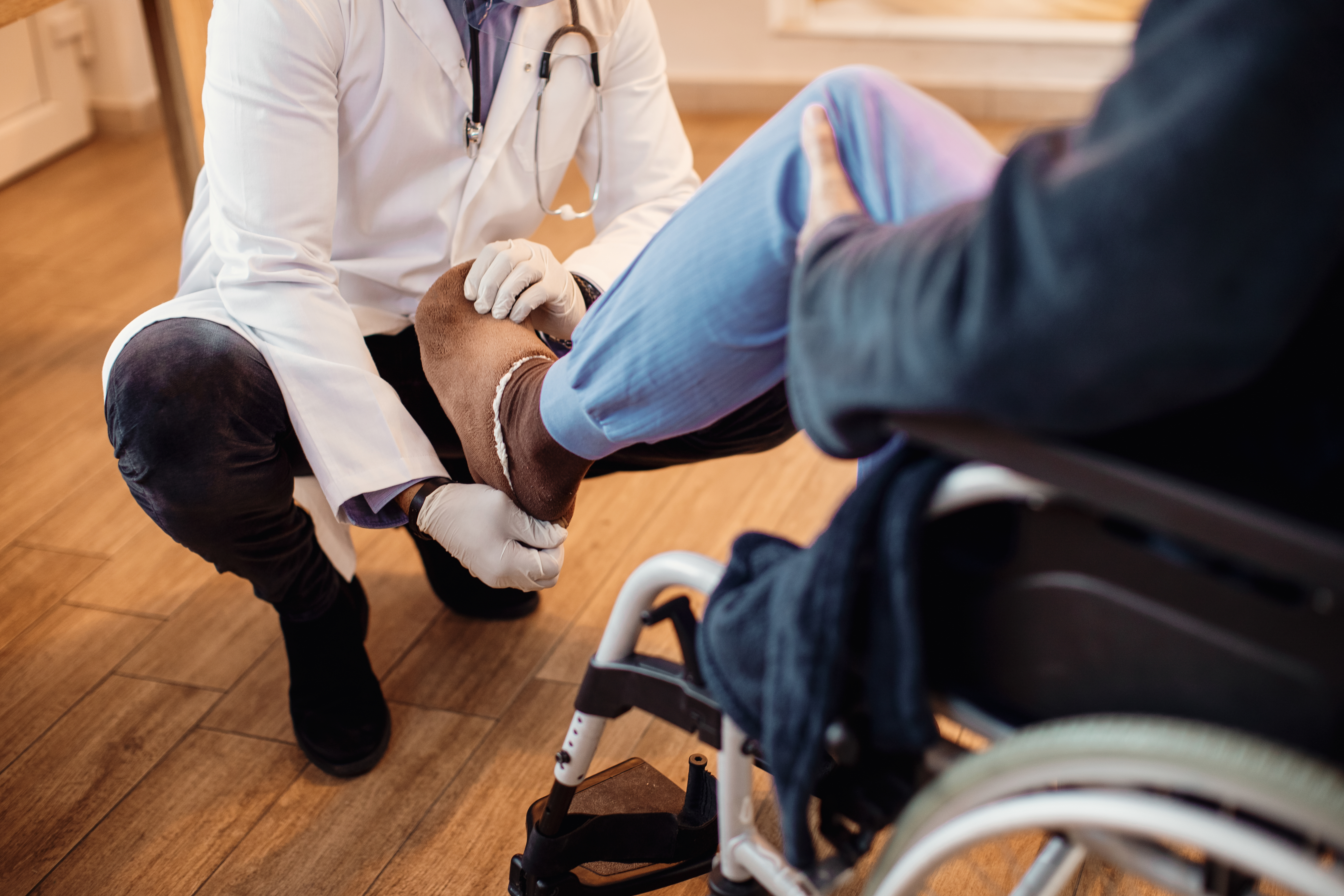
September’s Fall Prevention Awareness Month is a valuable reminder for businesses to assess how well they’re protecting employees and visitors from slips, trips, and falls. These everyday hazards often go unnoticed, yet they can lead to costly injuries and business disruptions. Simple, consistent safety measures can play a major role in reducing incidents, improving workplace safety, and helping businesses maintain smooth operations.
Because slip-and-fall hazards can appear in any setting—from offices to warehouses to retail stores—this month presents an ideal opportunity for organizations across Louisiana to refocus their safety efforts. By reevaluating current procedures and making small but effective improvements, businesses can create safer environments for staff, customers, and vendors.
Why Slip, Trip, and Fall Prevention Matters
Slip-and-fall incidents can happen in nearly every type of workplace, whether indoors or outdoors. Office corridors, loading docks, retail aisles, medical facilities, and construction sites all contain potential hazards that may seem insignificant until an accident occurs. A single misplaced item, wet floor, or uneven surface can cause a serious injury.
These events are particularly concerning because they are frequently preventable. Something as simple as a cable stretched across a walkway or a dimly lit stairwell can become a major risk if left unaddressed. Beyond the personal impact on those injured, companies may face workers’ compensation claims, downtime, liability exposure, and interruptions to daily operations.
By focusing on prevention, businesses protect their people while also reducing avoidable costs and disruptions.
Keep Walkways and Shared Spaces Clear
Maintaining tidy, organized work areas is one of the easiest ways to reduce fall hazards. Cluttered floors, scattered tools, loose cords, and uneven surfaces create risks for anyone moving throughout the workplace.
Businesses should encourage employees to keep personal work areas neat and ensure that communal spaces stay free of obstacles. When clear expectations around housekeeping are part of daily routines, hazard prevention becomes far more consistent.
Regular walkthroughs can also help identify issues before someone gets hurt. Prioritizing organization allows businesses to create safer environments and reduce the likelihood of avoidable accidents.
Address Wet Surfaces Before They Become a Problem
Moisture is one of the most common contributors to slip-related injuries. Spills, tracked-in water from rain, and freshly mopped floors can quickly create dangerous conditions if not handled promptly.
To help reduce risk, businesses can place absorbent mats at entry points, display warning signs when floors are wet, and implement clear cleanup procedures. These steps help alert both employees and visitors to potential hazards.
Weather changes also require attention. During rainy seasons or humid periods common in Louisiana, water can accumulate more easily around entrances and high-traffic walkways, making consistent monitoring essential.
Improve Lighting Throughout the Property
Proper lighting plays a major role in helping people navigate safely. When visibility is limited, it becomes harder to spot uneven flooring, debris, or other hazards that might otherwise be avoided.
Businesses should evaluate indoor and outdoor lighting to ensure work areas are well-lit. Key spots to monitor include parking lots, stairwells, hallways, loading zones, and building entrances.
Shorter daylight hours during fall and winter also increase the need for reliable lighting. Replacing burnt-out bulbs and fixing malfunctioning fixtures can significantly improve safety for everyone on the property.
Regularly Inspect Exterior Areas
Outdoor spaces can present several fall hazards if not monitored regularly. Cracked sidewalks, uneven pavement, loose handrails, and seasonal debris like wet leaves can easily lead to slips or trips.
Parking lots, exterior walkways, and building entrances should be reviewed frequently to identify any concerns that need maintenance or repairs. Addressing these issues quickly helps reduce potential injuries and limits liability exposures for property owners.
Reinforce Ladder and Equipment Safety
Workplaces that involve elevated tasks face additional fall risks. Ladders, scaffolding, elevated platforms, and similar equipment must be used carefully to avoid severe injuries.
Routine equipment checks are essential. Any tools or equipment showing signs of damage should be removed from use immediately. Equally important, employees should receive proper training before working at heights or handling related equipment.
With thorough training and well-maintained tools, businesses can significantly reduce accidents involving elevated work areas.
Encourage Proper Footwear
Appropriate footwear can make a meaningful difference in preventing slips and falls, especially in workplaces where floors may become slick due to spills, water, or other materials.
Employees should wear shoes that match their job duties and environment. In industries such as food service, healthcare, warehousing, or hospitality, slip-resistant footwear can help improve traction.
While footwear alone cannot eliminate risk, it provides an added layer of protection when combined with other safety practices.
Make Employee Training a Priority
Education is a key part of any effective fall prevention plan. When employees understand safety expectations and know how to spot hazards, they are better equipped to prevent accidents.
New hires may be especially vulnerable during their first months on the job. Clear onboarding, regular refresher courses, and ongoing communication can help reinforce safe practices.
Training topics may include recognizing hazards, proper reporting methods, ladder safety, safe walking techniques, and spill response. Regular reminders can help keep fall prevention top of mind throughout the year.
Strengthening Safety Through Prevention
Fall Prevention Awareness Month serves as an important reminder that reducing slips, trips, and falls requires ongoing attention. By focusing on cleanliness, maintenance, lighting, training, and equipment safety, businesses can make meaningful improvements to their overall safety culture.
Creating a safer workplace helps protect employees, customers, and visitors while also reducing disruptions and financial risks. If you have questions about risk management, safety considerations, or commercial insurance options designed to support your Louisiana business, our team at State Insurance Services is here to help. Reach out anytime to learn more about protecting your business and your people.