
Spring Safety Risks for Outdoor Teams: Practical Tips for Business Owners
Chelsea Santone
Apr 08 2026 15:00
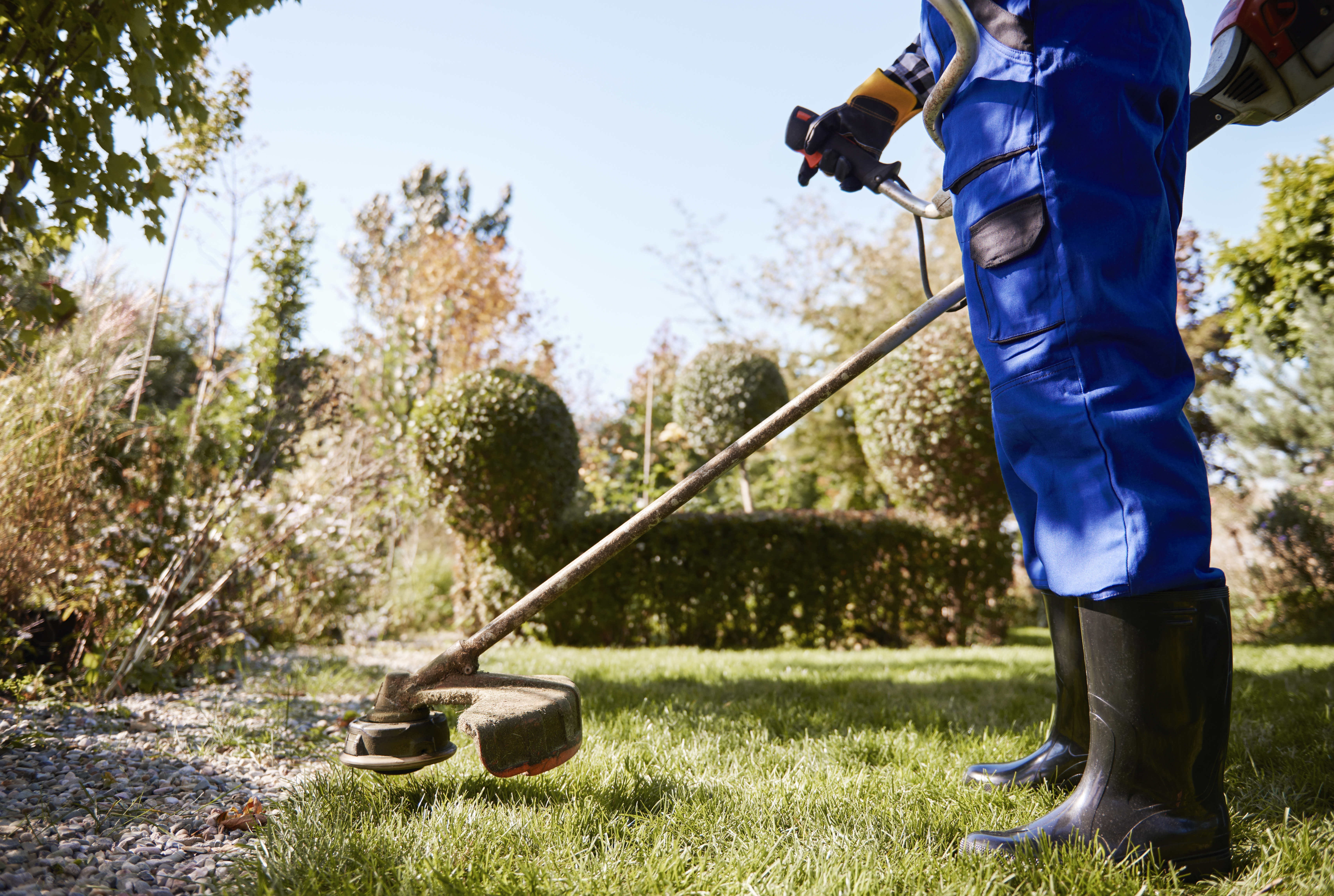
Spring is a great time for businesses to restart outdoor projects and give their properties a fresh, polished look. But the shift in seasons also brings a handful of hazards that can turn into accidents, injuries, or insurance claims if they’re not addressed early. Spending a little time now inspecting your space, clearing away debris, and checking equipment can go a long way toward keeping everyone safe. Below are simple steps you can take this season to minimize risks and protect your team. Inspect Outdoor Spaces for Winter Wear and Tear Months of cold weather can leave behind damage such as cracked pavement, unstable stairs, potholes, or uneven surfaces. These issues might not stand out at first but can easily lead to slips, trips, or falls once your team is back outside. Walk your property and look closely at high-traffic spots like sidewalks, entryways, parking areas, and staircases. If you notice any issues, plan repairs such as filling potholes, repainting step edges for visibility, or adding slip‑resistant mats or tape. Tackling these fixes now helps prevent more serious situations later. Remove Clutter from Paths and Work Zones Outdoor areas often accumulate hoses, extension cords, extra signage, or leftover supplies from previous jobs. Items like these can block walking areas and become tripping hazards. Take time to clear away any debris, return tools to storage, and keep paths open and easy to navigate. Even a brief cleanup session can significantly reduce the chance of workplace injuries. Check Outdoor Tools and Equipment Before Spring Use As you bring outdoor tools back into rotation—whether it’s pressure washers, lawn equipment, or trimmers—it’s smart to confirm everything is functioning properly. Spend a few minutes examining each tool for worn cords, missing safety guards, or faulty switches. Repair or replace anything that looks unsafe. These small checks ensure your team can work confidently and reduce the likelihood of avoidable accidents. Ensure Ladders Are Stable and Used Safely Tasks like changing signage or accessing high windows often require ladder use, and ladders can be risky if they’re not handled correctly. Make sure each ladder is sturdy, placed on a level surface, and inspected before use. Remind your staff not to lean too far or stretch while working at height. A quick safety refresher can help prevent serious ladder‑related injuries. Promote Safe Lifting and Movement With spring comes an increase in lifting, moving, and physical tasks. Without proper technique, these activities can lead to strains, sprains, or back injuries. Encourage employees to lift with their legs instead of their backs, avoid twisting while holding heavy items, and request help when carrying bulky loads. Reinforcing good habits supports your team’s long‑term well‑being. Refresh Safety Gear for the New Season Outdoor spring work introduces new hazards such as falling debris, sharp branches, or exposure to the elements. Having the right protective gear matters. Check that your team has durable gloves, slip‑resistant shoes, protective eyewear, and bright or reflective clothing if they work near traffic. On sunny days, sunglasses can help reduce glare and protect eyes. These easy steps show your team that safety comes first. Plan Ahead for Sun, Heat, and Seasonal Insects As temperatures rise and more insects appear, workers may face sunburn, dehydration, bites, or skin irritation. Encourage frequent water breaks, provide shaded rest areas, and offer sunscreen and insect repellent when necessary. Hats, long sleeves, and other protective clothing also help minimize exposure—especially during peak heat or when working in grassy or wooded areas. Simple prevention can help avoid discomfort and health‑related downtime. Review Emergency Supplies and Procedures Spring is a good reminder to make sure your emergency preparedness measures are still up to date. Quick and efficient response during an incident can prevent a minor problem from turning into something worse. Check fire extinguishers, first‑aid kits, and smoke detectors to verify they're functioning properly. Go over safety plans with your staff so everyone knows how to react in different emergency scenarios. Staying prepared strengthens both safety and peace of mind. Make Sure Your Insurance Still Matches Your Needs Even with strong safety habits, accidents can still happen. That’s why solid commercial insurance remains essential. Policies such as workers’ compensation and general liability provide important protection if something goes wrong. If you're unsure whether your coverage still fits your operations, spring is a great time for a review. With outdoor projects increasing, it’s smart to confirm that your insurance is ready for the season’s demands. Need help evaluating your commercial coverage? Give us a call—we’ll make sure you have the protection you need for everything spring brings your way.